Best Portable Car Seats for Travel: Babies, Toddlers & Kids
Figuring out what to do about car seats has been one of the biggest headaches of traveling with young kids for our family. We wanted our children properly restrained at our destination, but we also did not want to drag an extremely heavy everyday car seat through airports, rental-car counters and hotels.
That is why we eventually started using different portable car seats for travel depending on our children's ages. We have traveled with infant bucket seats, lightweight convertible car seats, portable boosters and other travel restraints, and having the right option has made a huge difference.
This guide covers the portable travel car seats that have worked best for us, along with options for babies, toddlers and older children. Car-seat models and requirements change, so always verify the current manufacturer's height, weight and usage limits before buying or using a restraint.
Best Portable Car Seats for Travel by Age
The best travel car seat depends much more on your child's size and developmental stage than on age alone. NHTSA recommends selecting a seat based on your child's age and size and keeping children in each restraint stage for as long as they remain within the manufacturer's limits.
As a general starting point, these are the types of restraints we have found most practical while traveling:
- Babies: A rear-facing infant seat can be extremely convenient because many attach directly to a stroller.
- Young toddlers: A lightweight convertible car seat is usually the most practical option.
- Older toddlers and preschoolers: Continue using an appropriate harnessed seat whenever your child still fits it. A travel vest may work for certain children and travel situations when its current requirements are met.
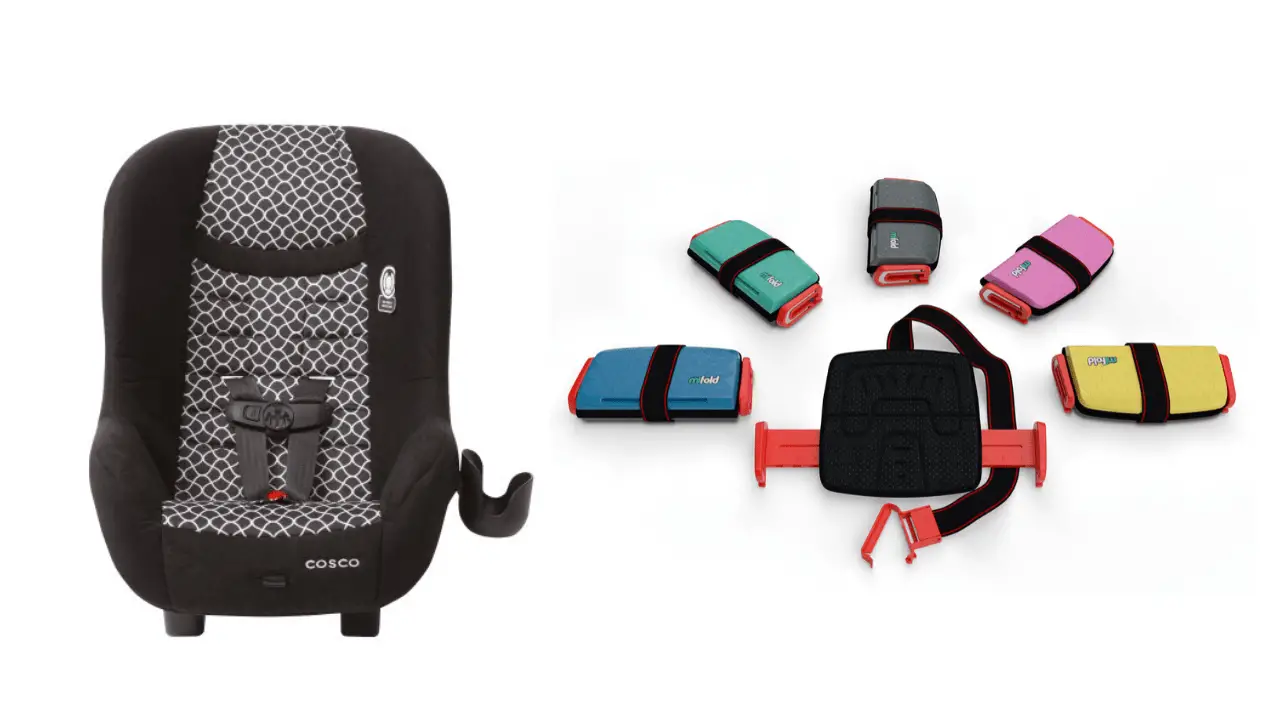
- Older children: Once a child has outgrown a forward-facing harness and is ready for a booster, compact travel boosters can dramatically reduce the amount of gear you carry.
If you're shopping for a child around age two, our dedicated guide to the best travel car seat for a 2 year old goes into much more detail about lightweight toddler seats.
We also have a separate comparison of the best toddler travel car seats if that is the age group you are traveling with.
Why We Bought Separate Car Seats Just for Travel
We love the car seats we use at home, but they are not necessarily the car seats I want to haul through an airport. Some of our everyday seats have been heavy, expensive and awkward to carry.
Buying a separate lightweight travel car seat solved several problems for us. First, I did not have to worry as much about an expensive everyday seat getting damaged during a trip. Second, the lighter seat was much easier to carry. Third, our regular car seats could remain installed correctly at home.
That last point has been more valuable than I expected. Installing a car seat properly can take some work, and I would much rather leave our everyday seats alone than repeatedly remove and reinstall them before and after every vacation.
Best Portable Car Seat for a Baby: Infant Bucket Seat
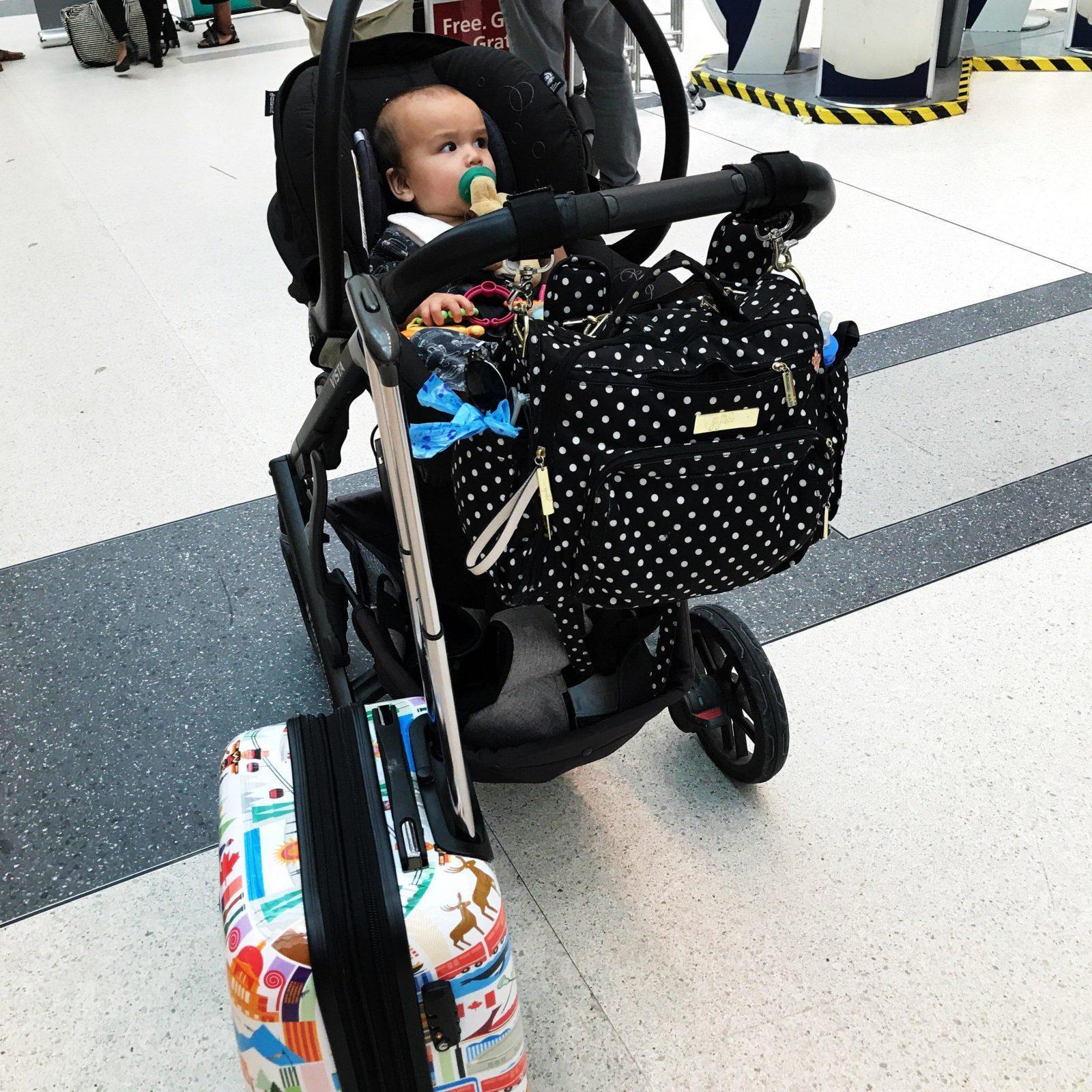
Traveling with an infant car seat was actually the easiest stage for us. We used a bucket-style infant seat that could be installed without bringing a large separate base and that attached directly to our stroller.
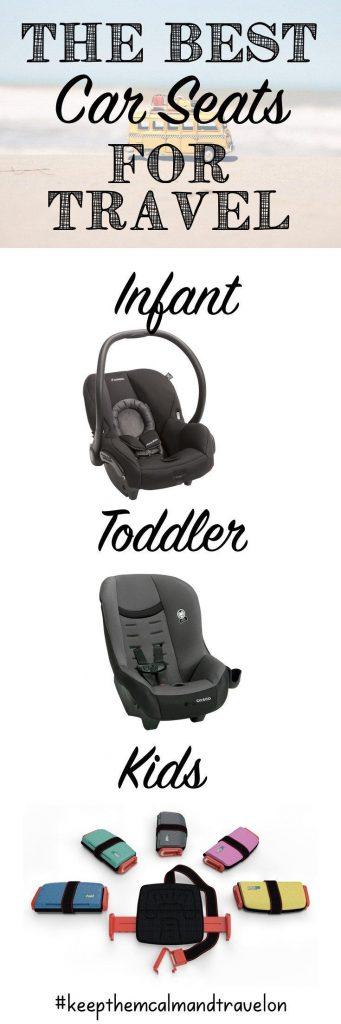
We used the Maxi-Cosi Mico with our babies. What I liked most for travel was being able to move a sleeping baby between the car seat and stroller without transferring them into another piece of equipment.
Infant car-seat models have changed since our original trips, so I would not buy a particular model today solely because it is the one we used. Check the current manufacturer's specifications and make sure the seat fits your baby and the vehicles you expect to use.
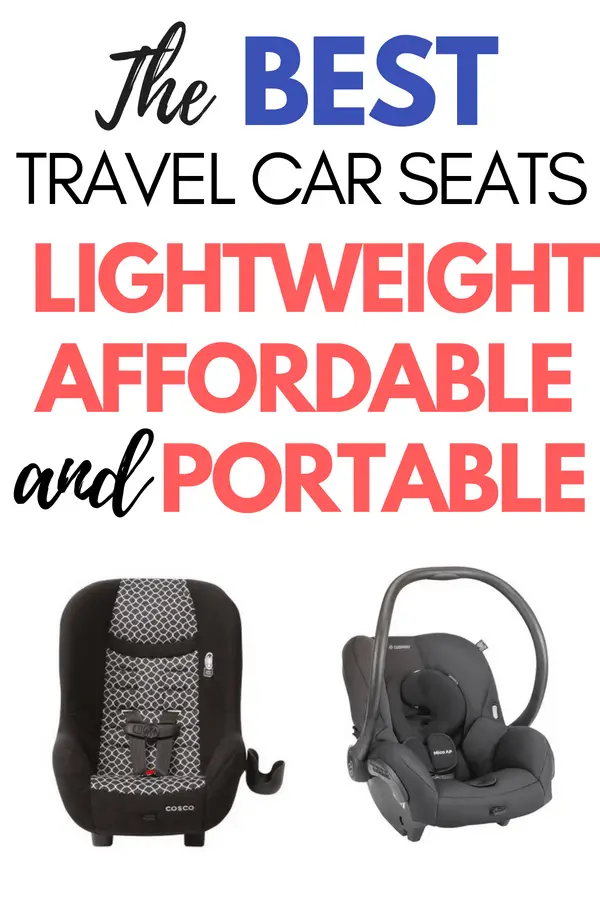
Best Portable Car Seat for Toddlers: Cosco Scenera Next
For us, toddlers were the trickiest age. They had outgrown the infant bucket seat but were still far too young for a booster. Many convertible car seats are bulky and heavy, which is exactly what I did not want while traveling.
At the recommendation of a friend, we bought the Cosco Scenera Next specifically for travel. It became one of my favorite pieces of toddler travel gear.
The biggest advantage was simply how easy it was for us to transport compared with our everyday seats. We took it through airports, used it in rental vehicles and brought it onto airplanes when appropriate.
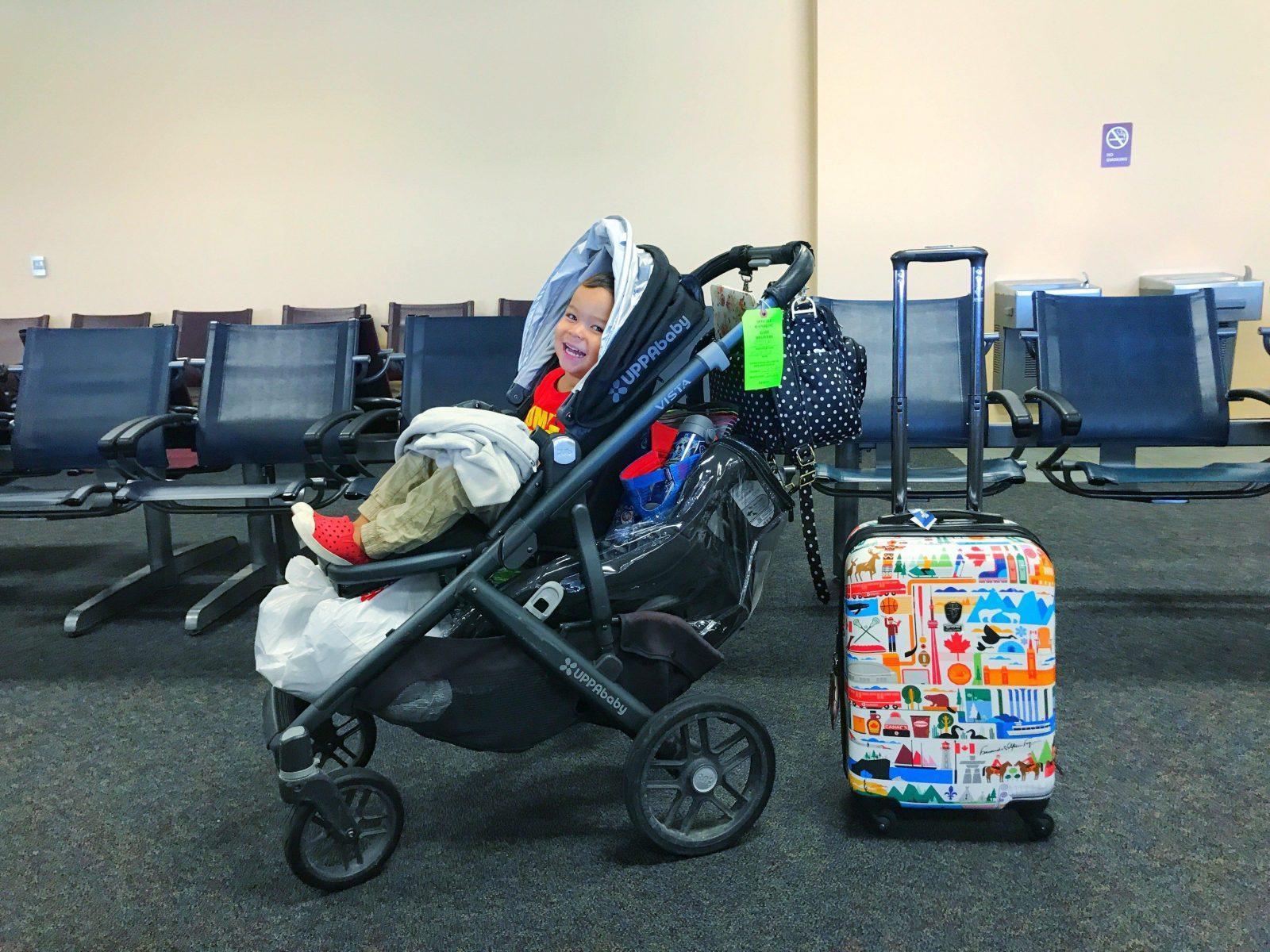
I also discovered that our Cosco seat fit into the large basket underneath our UPPAbaby Vista stroller. That meant I did not have to carry the seat separately while also handling luggage and a toddler.
Availability and specifications for the Scenera line have changed over time, so check the current product listing before purchasing. The larger lesson from our experience is that a lightweight dedicated convertible seat can be much easier to travel with than a heavy everyday car seat.
Portable Travel Vests for Kids
A wearable travel restraint such as the RideSafer Travel Vest can be useful in situations where carrying a conventional car seat is impractical, especially for taxis, rideshares and trips where you will only use a vehicle occasionally.
The current RideSafer product line has specific size requirements, and those requirements have changed over time. The manufacturer currently offers versions intended for some children beginning around age two, but it also notes that rear-facing remains the safer choice for very young children and recommends the smallest vest primarily for situations such as travel, taxis and rideshares.
I would treat a travel vest as a specialized travel option rather than automatically moving a young child out of a conventional harnessed car seat simply because the vest is easier to pack.
Best Portable Booster Seat for Older Kids
Once a child has truly outgrown a forward-facing harness and is developmentally ready for booster use, travel gets considerably easier because booster seats can be much smaller.
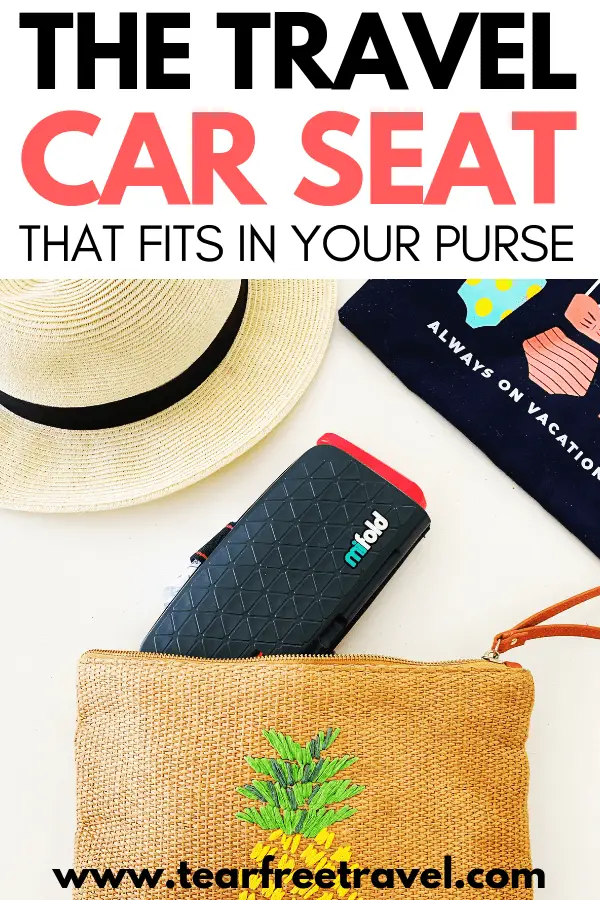
We eventually started using a MiFold portable booster with our older son. The ability to carry a child restraint in a bag rather than hauling another full car seat was incredibly convenient on trips where we used cars only occasionally.
MiFold's current U.S. guidance says its Comfort model is for children age four and older who are 40 to 100 pounds and meet its stated height requirements. More importantly, NHTSA recommends keeping children in a forward-facing seat with a harness until they outgrow that seat's height or weight limits before moving to a booster.
So although portable boosters are fantastic travel tools for appropriately sized and mature older kids, they are not substitutes for toddler car seats.
Should You Bring a Car Seat on the Airplane?
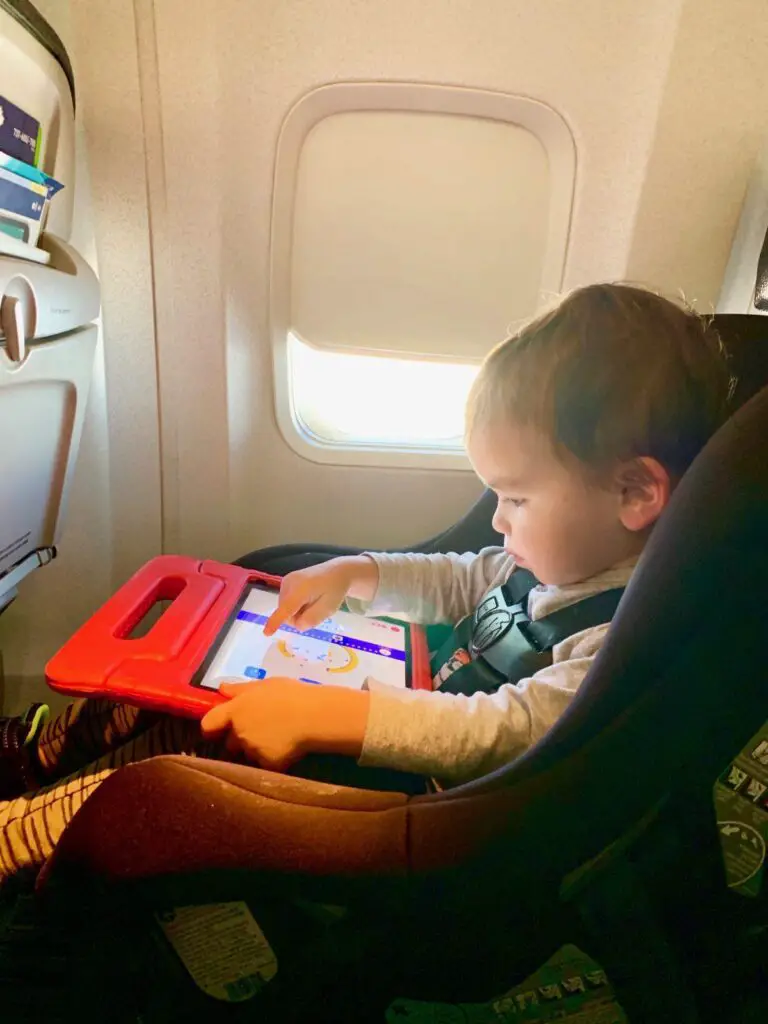
We were actually late to start bringing our toddler car seat onto the airplane. Once we tried it, I wished we had started sooner.
Our son already understood what it meant to be buckled into his car seat. On the airplane, that familiarity helped him stay in his seat instead of constantly trying to wander the aisle or bother the people around us. Our kids also tended to sleep well in their car seats, which was another huge benefit on longer flights.
The FAA strongly recommends that young children ride in an approved child restraint system or other approved restraint during the flight. That recommendation includes children under age two; although U.S. rules permit children under two to travel on an adult's lap, the FAA recommends purchasing a seat and using an approved restraint instead.
If you're getting ready for a flight, our newer Flying With a Toddler: Everything You Need to Know guide covers the rest of the travel day, including airport logistics, snacks, sleep, seating and what to pack.
And once you're onboard, these airplane activities for toddlers can help keep a young child occupied while strapped into the seat.
How Do You Know if a Car Seat Is Approved for Airplane Use?
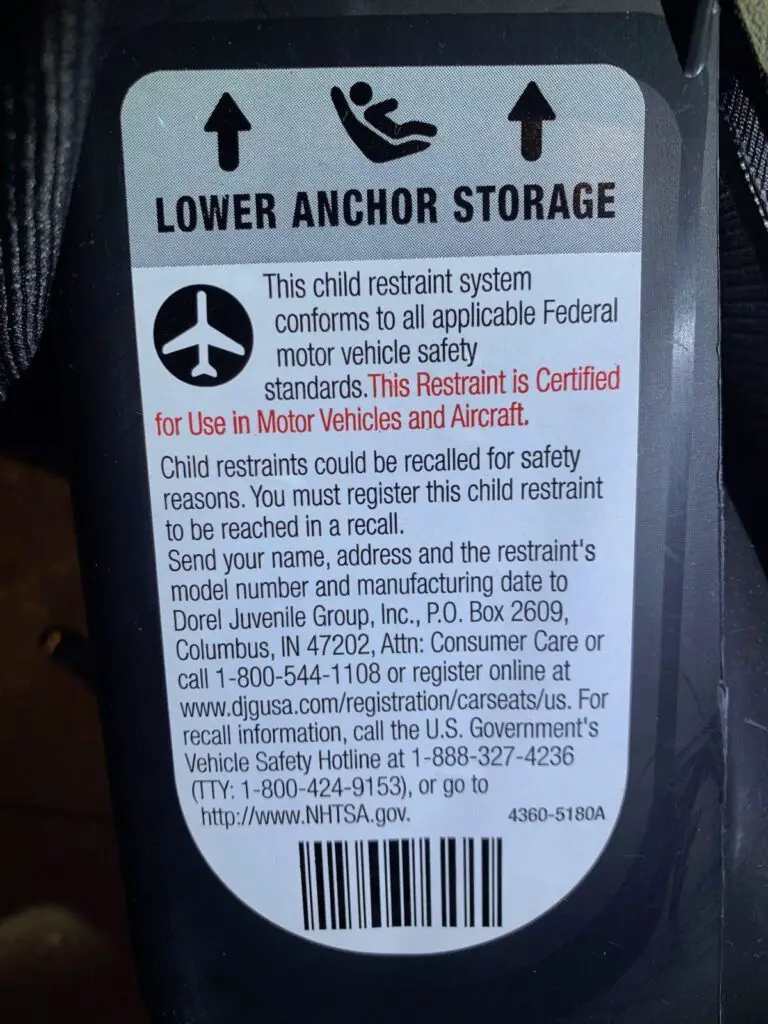
Do not assume a car seat is approved for aircraft simply because it is sold as a travel car seat.
For a U.S. car seat, the FAA says to look for the certification wording on the restraint indicating that it is certified for use in motor vehicles and aircraft. Read the seat's manual as well, because it needs to be installed on the airplane according to the manufacturer's instructions.
The FAA does not permit booster seats to be used during taxi, takeoff or landing because an airplane seat has only a lap belt and a booster requires a vehicle lap-and-shoulder belt to position a child properly.
You can check the latest information directly on the FAA's flying-with-children guidance.
What About the CARES Airplane Harness?
If you need an aircraft restraint but will not need a conventional car seat at your destination, another option is the CARES airplane travel harness.
The FAA says the approved CARES device is designed for children who can sit upright on their own, are up to 40 inches tall and weigh between 22 and 44 pounds. It works with the aircraft seat belt and is approved for aircraft use only — not for use as a child restraint in a car.
One important warning from the FAA is to watch for counterfeit CARES products. Check the required FAA approval label on the actual device.
Should You Check or Gate-Check a Car Seat?
Whenever we are using the car seat onboard, this is obviously not an issue. When we are not using it on the plane, I have generally preferred taking the seat through security and gate-checking it rather than turning it over with the regular checked luggage.
That is based on my own comfort level and travel experience, not a guarantee that a gate-checked seat will be handled carefully. Any checked item can be subjected to rough handling.
After a flight, inspect the car seat before using it. If you see damage or have concerns about its condition, follow the car-seat manufacturer's instructions rather than assuming it is still safe.
Should You Use a Car Seat Travel Bag?
There are plenty of car seat travel bags on Amazon, including backpack-style and wheeled versions.
I personally have not usually used one. For me it was another item to pack, and because our dedicated travel seat was inexpensive and lightweight, I preferred keeping things simple.
Other families love them, particularly if they are transporting a more expensive seat. A bag can keep dirt off the fabric and make a seat easier to carry, but it cannot guarantee protection against impact damage.
How Do You Carry a Car Seat Through the Airport?
There are several good options depending on what else you are bringing.
A car seat luggage strap can attach some seats to rolling luggage, while a dedicated car seat travel cart can turn a compatible car seat into something you can roll through the terminal.
Our preferred method was even simpler: put the lightweight Cosco car seat into the bottom basket of our stroller.
That is one reason I have often preferred bringing our full-size stroller instead of buying a tiny travel stroller. You can read more in why I don't always recommend travel strollers.
Should You Rent a Car Seat at Your Destination?
We have rented car seats from rental-car companies on several trips, but our experiences are one of the reasons I eventually preferred bringing our own.
On some trips the rental seat was old and worn. On another occasion, the available restraint was not appropriate for my child's size. Those experiences made me uncomfortable relying on whatever happened to be available when we arrived.
The advantage of bringing your own seat is that you know its history, know that it fits your child and can practice installing it before the trip.
Baby-equipment rental companies such as BabyQuip can be another option because you may be able to select a more specific type of gear, but you still need a plan for transporting your child safely between the airport and wherever you pick up the rental.
Travel Car Seat Safety Tips
Portability should never outweigh proper fit and installation. NHTSA recommends choosing a restraint based on the individual child's age and size and using it according to both the car-seat manufacturer's instructions and the vehicle owner's manual.
- Keep a young child rear-facing until they reach the rear-facing height or weight limit of their particular seat.
- After rear-facing is outgrown, use a forward-facing seat with a harness and tether until the child reaches that restraint's limits.
- Move to a booster only when the child has outgrown the harnessed seat and is ready to sit correctly for the entire ride.
- Practice installing a travel car seat before you leave home.
- Check the car seat's actual aircraft-certification label before relying on it for a flight.
- Do not add unapproved aftermarket padding, head supports or positioning products to the restraint.
The last point is one reason I removed an older head-support product from the original version of this article. NHTSA advises against putting padding behind or under a child unless the car-seat manufacturer recommends it for use with that seat.
You can review the current recommendations on the NHTSA car-seat and booster-seat guide.
What Stroller Works Best When Traveling With a Car Seat?
We have been huge fans of our full-size UPPAbaby Vista for travel because of its large storage basket. When our child was in an infant seat, the car seat could connect to the stroller. Later, we could put our lightweight toddler travel seat in the basket.
I know bringing a full-size stroller sounds like the opposite of traveling light, but it has often made our trips easier because it carries so much of our other gear.
When space really mattered — such as on a cruise — we used a smaller Zoe travel stroller. I liked its recline and large canopy, although the smaller storage area is one reason I still preferred the Vista whenever we had room for it.
More Help With Toddlers, Car Seats and Flying
If you are planning a trip with a young child, these related guides go deeper into the parts of travel that are most likely to cause headaches:
- Best Toddler Travel Car Seats
- Best Travel Car Seat for a 2 Year Old
- Flying With a Toddler: Everything You Need to Know
- Airplane Activities for Toddlers
- Toddler Travel Hacks
- Car Seat Safety Tips While Traveling
Which Portable Car Seat Is Best for Travel?
For our family, there was never one perfect car seat for every age. The easiest solution changed as our children grew.
With a baby, I liked an infant bucket seat that could connect to the stroller. During the toddler years, the lightweight Cosco convertible seat made our trips dramatically easier. Later, once our child was genuinely ready for a booster, the MiFold gave us a level of portability that would have been impossible with a traditional car seat.
The most important thing is to choose the restraint that fits your child now — not the one that is smallest or easiest to pack. Once you identify the appropriate type of restraint, then weight, portability, aircraft approval and price can help you choose the best travel option for your family.
Pin for Later